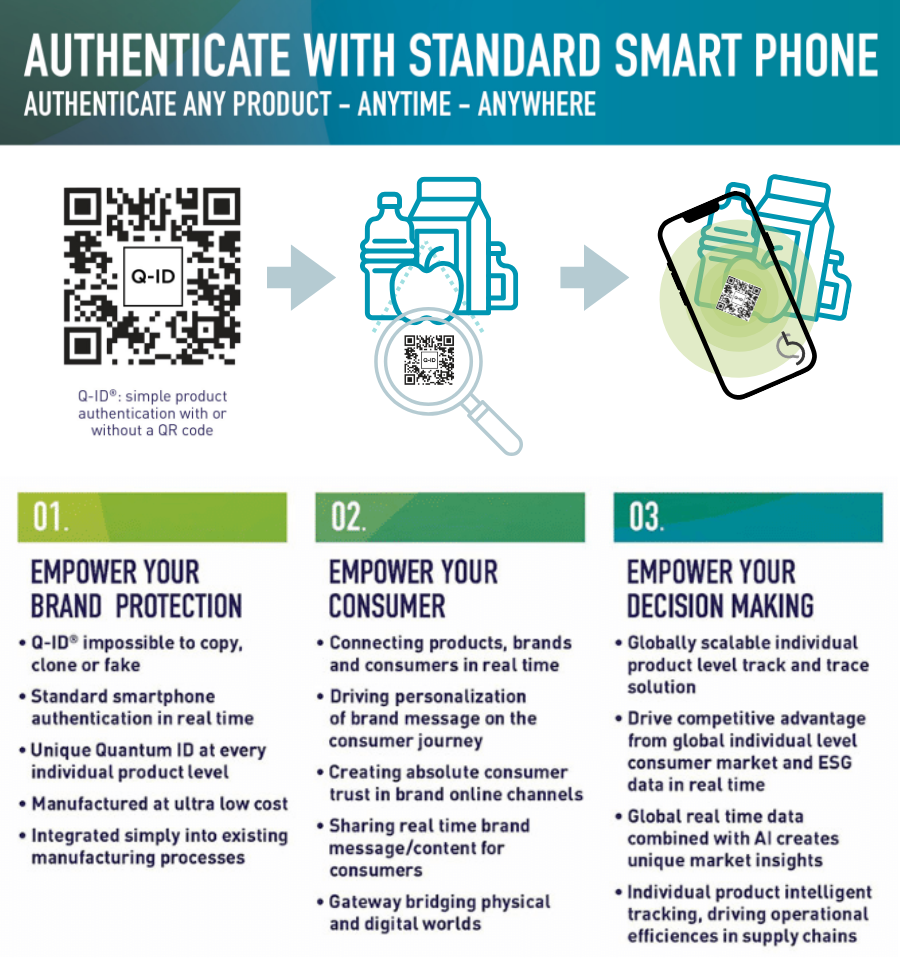
Food counterfeiting is rarely obvious to the average consumer and can easily go unnoticed. A copied label, a reused pack or a reprinted date code can look genuine at first glance and be easily overlooked. However, the risks are not only commercial, counterfeit and substandard goods can introduce safety concerns, including undeclared allergens, contamination or ingredients that do not match what the label claims.
In the UK, the Food Standards Agency estimates the total cost of food crime at £410 million to £1.96 billion per year (FSA, 2023). Across Europe, Europol and INTERPOL’s annual OPSON operations continue to seize large volumes of counterfeit and substandard food and beverages, including €91 million in product value seized during operation OPSON (2024).
This is not limited to “fake brands”. It can include altered provenance, relabelled expiry information, fraudulent returns and misrepresented product claims (e.g. non-organic goods passed off as organic or diluted products, such as seed oil).