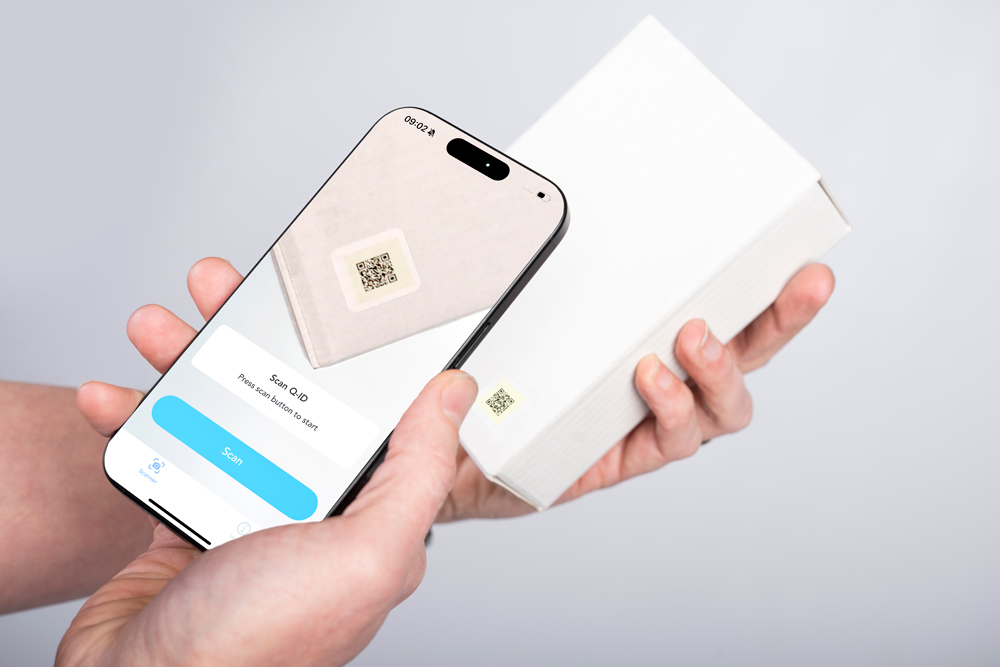
Counterfeit controllers and gaming peripherals often look convincing on the listing page. However, when in hand, red flags start to show: spongy triggers, uneven seams and misaligned ports. For brands, the damage is much broader, returns rise, support teams absorb the complaints and trust slips, hitting repeat purchases.
Gaming accessories sit in a high-velocity, online-driven market where pricing pressure and fast fulfilment make verification difficult. Controller and peripheral brands continue to deal with convincing fakes that move through third-party sales channels. Enforcement actions show how quickly counterfeit gaming hardware can scale. In Italy, authorities reported the seizure of around 12,000 counterfeit retro gaming consoles loaded with tens of millions of pirated games, alongside concerns about compliance and safety standards.
US Customs and Border Protection has also reported seizures of counterfeit mini game consoles intercepted in transit, reflecting how parcel routes and fulfilment networks can be used to move branded gaming devices at volume.
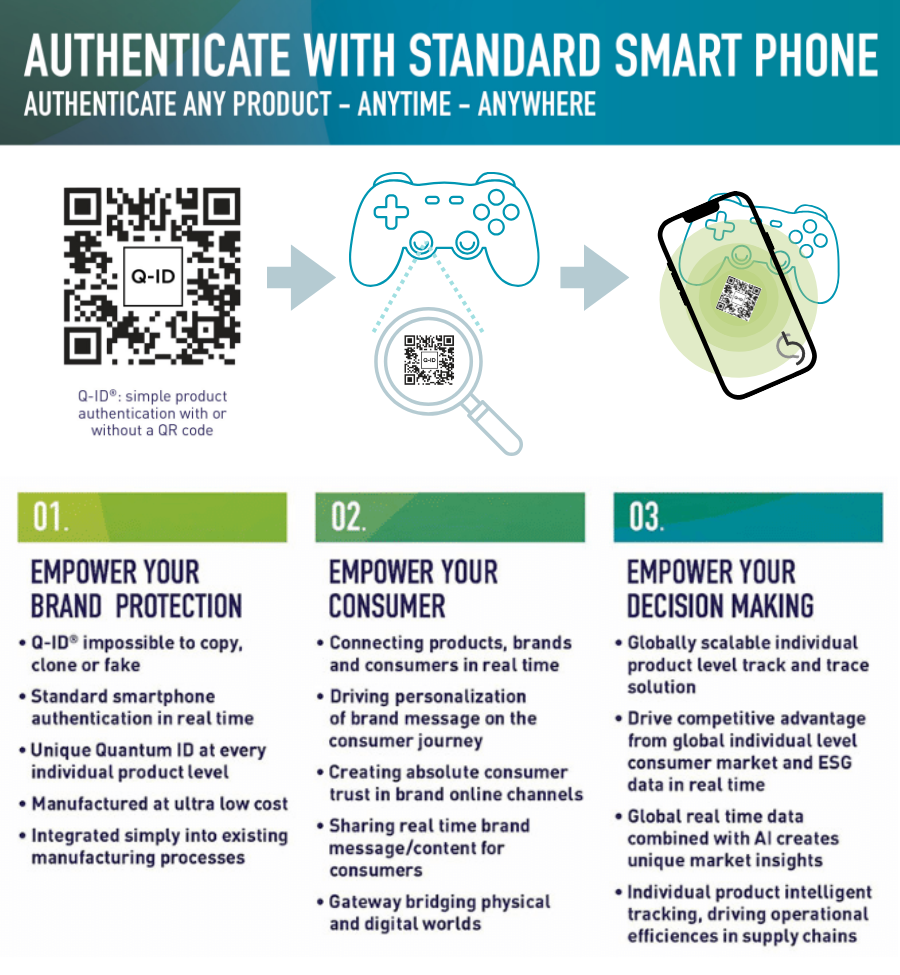
These examples point to a growing problem in the gaming accessories market: counterfeit controllers and peripherals can pass quick visual checks, but the issues surface when in use. A reliable anti-counterfeit solution is needed that enables fast and secure verification across the supply chain, rather than relying on packaging cues alone.