The rise of counterfeit PPE surged during and after COVID-19. The World Health Organisation reported that an estimated 1 in 10 medical products in low and middle-income regions are counterfeit or substandard, with respirators among the most targeted items. In the United States, Customs and Border Protection intercepted more than 12 million fake N95-style masks in a single 12-month period.
These imitation PPE products can resemble legitimate respirators and protective equipment closely, but rarely meet the standards set by health and safety organisations.
The risk of fake PPE includes:
- Reduced filtration efficiency and wearer protection.
- Regulatory non-compliance.
- Liability exposure for manufacturers, hospitals and employers.
- Loss of trust among buyers and public agencies.
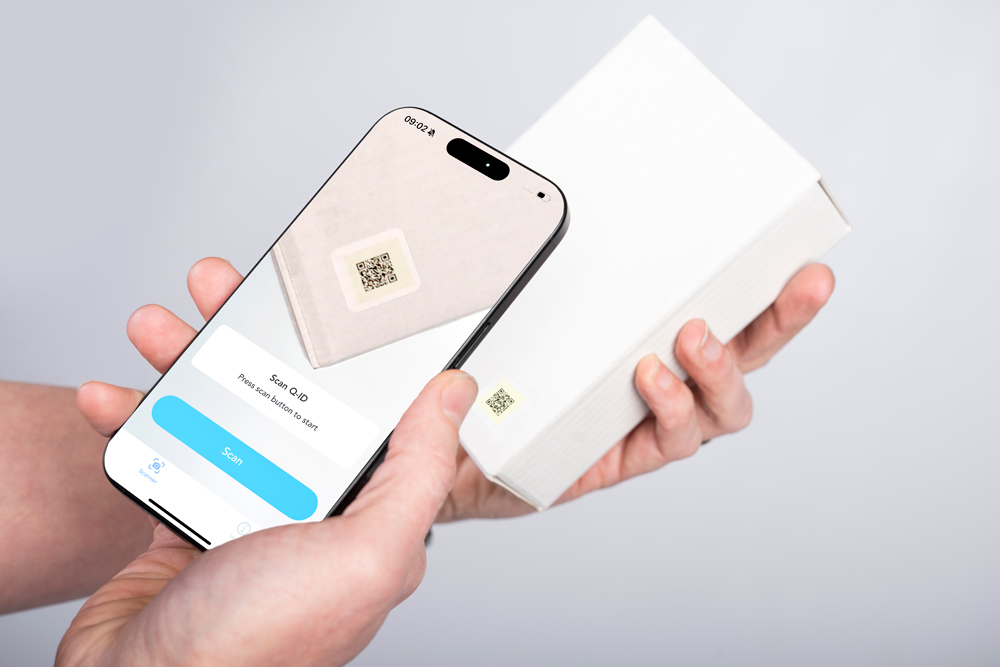
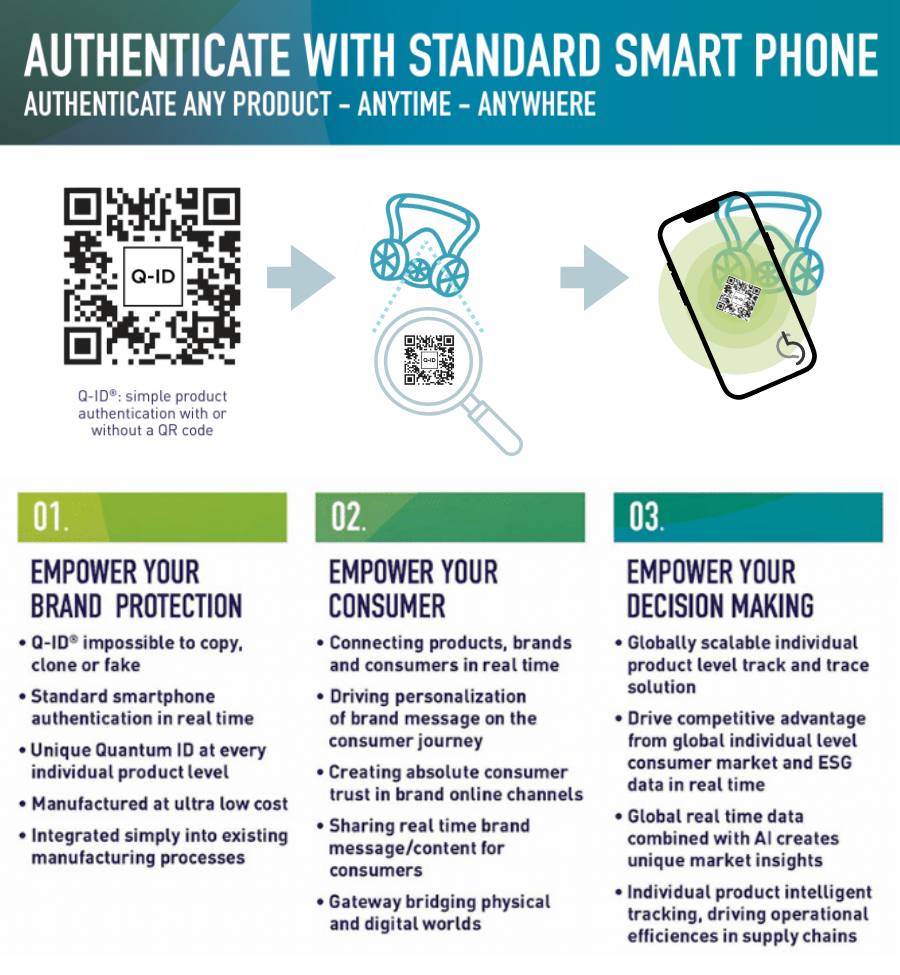
As counterfeiters improve their manufacturing methods, traditional features such as holograms, printed batch codes and QR labels are no longer reliable.